
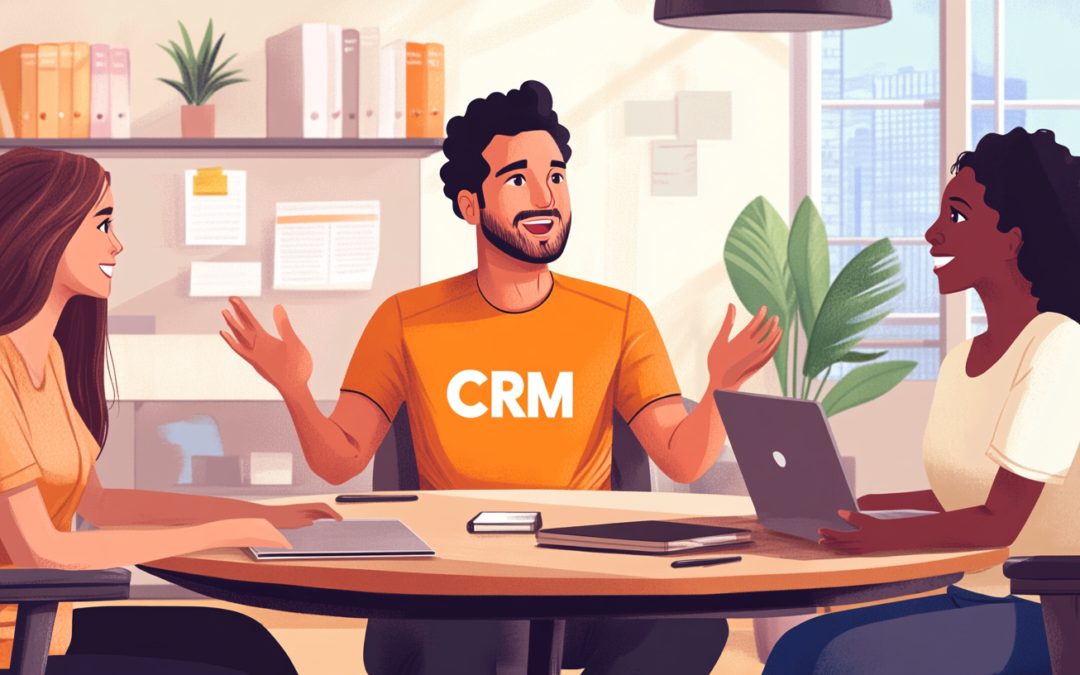
How CRM Helps Build Long-Term Relationships with Customers
Introduction
In today’s competitive business landscape, building and maintaining long-term relationships with customers is crucial for the success and growth of any organization. Customer Relationship Management (CRM) systems have emerged as a powerful tool to achieve this goal. Here, we will explore how CRM helps in building customer relationships, fostering customer loyalty, and ensuring long-term customer engagement.
What is CRM?
CRM is a tool that helps companies track and drive revenue while maintaining and improving customer relationships. It enables teams to capture and manage customer interactions and sales activities across various channels in a centralized place. This unified customer view allows businesses to exchange key data and insights across sales, support, and marketing departments.
Key Benefits of Using CRM for Building Customer Relationships
Get Organized and See Customer Data in One Place
A CRM system centralizes all customer data, providing a clear and comprehensive view of each customer. This organization helps teams understand customer patterns and tailor interactions whether it’s a targeted ad, customer support exchange, or sales call. With all customer activities, projects, sales, live chat messages, email exchanges, invoices, orders, contracts, or customer service requests stored in one place, personalizing communication becomes easier.
Target Your Customer Base
CRMs collect, organize, and store historical customer data, allowing businesses to create targeted and personalized campaigns. Segmentation is a key feature, enabling companies to break down data by categories and criteria, creating focused lists for sales and marketing campaigns. This targeted approach helps in identifying who is really interested in what the business offers and who might need more nurturing.
Boost Customer Loyalty
A CRM system is instrumental in building strong emotional connections with customers, which are essential for fostering customer loyalty. It helps businesses keep promises by reminding them of appointments and follow-up emails. Additionally, CRMs can prompt outreach to customers who have not been contacted in a while, preventing them from feeling neglected. This proactive approach is crucial since retaining an existing customer is significantly cheaper than acquiring a new one.
Anticipate Customer Needs
By tracking customer interaction history and buying habits, CRM systems help sales teams anticipate customer needs. This proactive approach enables businesses to offer relevant products or services at the right time, enhancing the overall customer experience and increasing the chances of upselling or cross-selling.
Enhance Communication and Collaboration
CRM systems streamline communication with customers and improve collaboration between different teams within the organization. Automated workflows and task reminders ensure that sales reps stay on target and that customers do not have to repeat themselves when interacting with different departments. Consistent messaging across marketing, sales, and support improves the customer experience and fosters loyalty.
Types of CRM and Their Roles in Building Relationships
Operational CRM
Operational CRM supports front-office business processes involving direct interactions with customers via various communication channels. It includes details such as preferences, requirements, and topics of discussion. This type of CRM ensures that all interactions are recorded and managed effectively, enhancing the quality of customer service.
Analytical CRM
Analytical CRM allows business owners and executives to analyze customer information provided by operational CRM apps. This helps in understanding customer behavior and deriving real value for the business. It enables businesses to approach customers with relevant information and proposals, further strengthening the relationship.
Collaborative CRM
Collaborative CRM facilitates easier negotiation between businesses and customers, enhancing customer relationships and producing better customer service and sales. The main objective is to improve the service quality offered to customers by ensuring seamless communication and coordination across different departments.
Implementing CRM for Long-Term Customer Engagement
Gather and Organize Customer Data
CRM software is designed to gather every bit of data related to customers and organize it into a clear, meaningful format. This data includes purchase history, future product or service interests, and desired methods of contact. By categorizing customers based on this data, businesses can reach out to them at the right time and in the right way, increasing the effectiveness of their interactions.
Automate Workflows and Tasks
CRMs automate workflows, processes, and tasks to boost productivity. This includes setting up triggers for follow-up calls and prompts for other customer interactions. Automation helps in maintaining consistent communication and ensuring that no customer interaction is missed.
Encourage Employee Buy-In
A properly implemented CRM system requires employee buy-in across the organization. Training employees on how to use the software and establishing thorough use of the system as an annual performance objective are crucial steps. Incentives such as monthly prizes or bonuses can motivate employees to consistently enter data into the CRM system.
Conclusion
CRM systems are indispensable for building long-term relationships with customers. By centralizing customer data, segmenting the customer base, boosting customer loyalty, anticipating customer needs, and enhancing communication and collaboration, CRMs provide the tools necessary for sustained customer engagement. Whether through operational, analytical, or collaborative CRM, these systems help businesses create meaningful relationships, increase customer retention, and drive sales. In a competitive market, leveraging CRM is a strategic move that can significantly enhance a business’s ability to build and maintain lasting customer relationships.
Sources:
– [Zendesk: What is CRM (Customer Relationship Management)?]
– [Superoffice: CRM Benefits: 7 Ways CRM Improves Customer Relationships]
– [Startup Grind: How Customer Relationships Can Improve Your Business Brand]
– [KPM CPAs: Build Long-Term Relationships With CRM Software]
– [Nearpartner: Client Relationship Management: the secret to long-term relationships]