
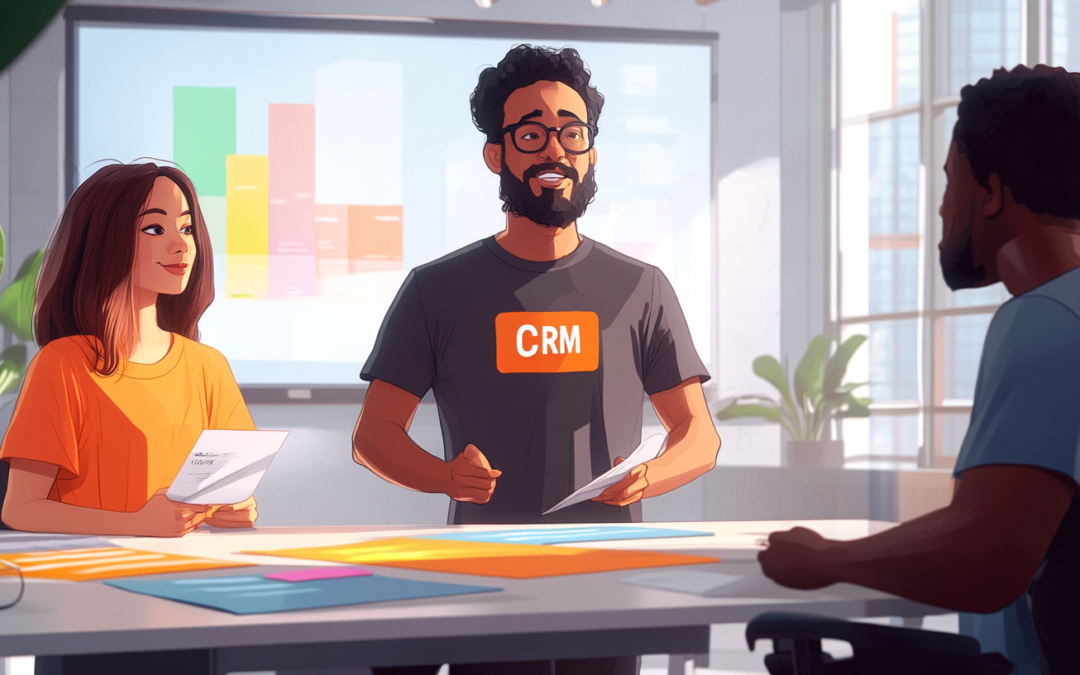
Employee Training on CRM: A Step-by-Step Plan
Implementing a Customer Relationship Management (CRM) system is a critical step for any business aiming to enhance customer engagement and overall performance. However, the success of this implementation heavily depends on how well employees are trained to use the system. Here is a comprehensive guide on how to create an effective CRM training plan.
Needs Assessment
Before diving into the training, it is essential to conduct a thorough needs assessment to understand the current knowledge level and specific needs of your employees.
– Survey Employees: Gather input from employees, managers, and department heads to identify the key CRM functionalities that are most important for their roles.
– Identify Key Functions: Determine which CRM functions are critical to different departments and roles, such as sales, marketing, and customer service.
Training Materials and Methods
Developing comprehensive and diverse training materials is crucial for effective CRM training.
– Develop Comprehensive Materials: Create user manuals, quick reference guides, and FAQs to provide employees with easy-to-access information.
– Interactive Training: Utilize video tutorials, live demos, and hands-on practice sessions to engage employees. Popular CRM providers offer “sandboxes” or demo portals where employees can practice without affecting actual data.
– E-Learning Modules: Offer online courses that employees can take at their own pace, ensuring flexibility and convenience.
– Blended Learning Approach: Combine classroom training, webinars, and on-the-job training to cater to different learning styles and needs.
Role-Based Training
Customizing training content based on specific roles is vital to ensure that employees learn relevant skills.
– Customize Content: Tailor training sessions to focus on the CRM features or tasks that are most relevant to each role. For example, sales representatives need training on lead management and opportunity tracking, while customer support agents need training on case management and ticket resolution.
– Department-Specific Sessions: Hold specialized training for different departments to address their unique needs and workflows.
Hands-On Practice
Hands-on practice is essential for employees to gain confidence and proficiency in using the CRM system.
– Basic CRM Functionality: Ensure employees are comfortable entering, updating, and managing data. Practice basic tasks such as creating customer profiles and tracking interactions.
– Collaboration Tools: Highlight communication features within the CRM, emphasizing effective collaboration, task management, and recordkeeping.
– Customization: Encourage staff to customize the CRM to meet their unique needs, including creating custom fields, forms, and automation workflows.
– Reporting and Analytics: Practice generating and customizing reports to extract actionable insights from CRM data.
Continuous Learning and Support
Continuous learning opportunities and ongoing support are crucial for sustaining employee proficiency.
– Regular Training Sessions: Schedule monthly or quarterly meetings to introduce new features, updates, and advanced CRM functionalities. These sessions should be interactive, allowing employees to practice and ask questions.
– Learning Library: Create a centralized repository for CRM documentation, guides, and best practices. Encourage employees to contribute their insights and refer back to the repository when needed.
– Professional Certifications: Support team members in pursuing CRM-related certifications through workshops, seminars, conferences, or online courses.
– Help Desk and Support Team: Establish a dedicated help desk or support team for CRM-related queries and provide continuous support and advanced training sessions periodically.
Engagement and Motivation
Keeping employees engaged and motivated throughout the training process is vital.
– Generate Excitement and Enthusiasm: Build excitement among participants by explaining how the new CRM system will help them do their jobs more efficiently and solve customer problems more effectively.
– Gamification: Implement challenges, quizzes, and rewards to make learning engaging. Provide certificates or badges for completed training modules to motivate employees.
– Feedback Mechanism: Regularly solicit feedback from trainees to improve the training program and make necessary adjustments.
Evaluation and Improvement
Evaluating the effectiveness of the training program and making continuous improvements is essential.
– Track Usage and Performance: Monitor CRM usage and performance to identify training gaps. Assess the impact of training through employee performance and CRM data quality.
– Iterate and Improve: Continuously update training materials based on feedback and CRM updates. Regularly review training effectiveness and make necessary adjustments.
Implementation Plan
Here is an example of how to structure the implementation plan:
Pre-Training Phase
– Conduct needs assessment and prepare training materials.
– Identify internal champions or super-users who can assist others.
Training Launch
– Initiate with a kick-off meeting and distribute the initial set of training resources.
– Generate excitement and enthusiasm among participants.
Core Training Phase
– Execute role-based, blended learning sessions over a few weeks.
– Provide hands-on practice sessions and ensure employees are comfortable with the CRM system.
Post-Training Phase
– Provide continuous support, collect feedback, and offer additional resources as needed.
– Establish a help desk or support team for CRM-related queries.
Review and Improve
– Regularly review training effectiveness and make necessary adjustments.
– Update training materials based on feedback and CRM updates.
By following these best practices, you can ensure that your employees are not only proficient in using the new CRM system but also confident and motivated to leverage its full potential for improved productivity and customer relationship management.
Conclusion
Effective CRM training is pivotal for the successful implementation of a CRM system. By conducting thorough needs assessments, providing role-based and interactive training, encouraging hands-on practice, offering continuous learning opportunities, and maintaining ongoing support, you can ensure that your employees are well-equipped to maximize the benefits of the CRM system. This approach will lead to improved customer engagement, increased sales and revenue, and better overall business performance.
Resources
– HubSpot Community: Best Practices for Training Employees on Using the CRM
– CRM Strategy: 10 Steps to Successful CRM Implementation – Step 3: Training Your Staff
– Training Magazine: How to Train Employees When Implementing a New CRM
– PositiveVision: CRM Training an Essential Step for Your Team
– CRM Masters: How to Create an Effective CRM Training Program for Your Team